
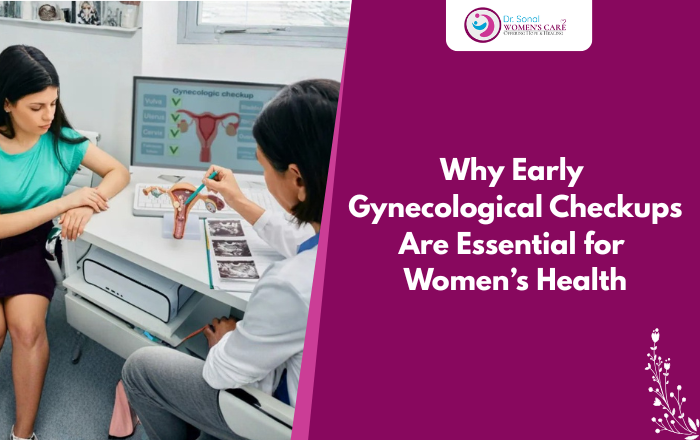
Taking care of your body should never be delayed—especially when it comes to women’s health. Many women ignore early signs such as irregular periods, pain, or unusual discharge, assuming they are normal. However, early gynecological checkups play a vital role in preventing serious women’s health problems before they become complicated.
Regular visits to a gynecologist help detect health issues early, provide preventive care, and give women confidence about their bodies at every stage of life. Whether you are a teenager, newly married, or planning a family, routine women’s health checkups are essential for long-term well-being.
What Is an Early Gynecological Checkup?
An early gynecological checkup is a routine women’s health examination that focuses on the reproductive system. These checkups help identify potential problems early and ensure your body is functioning normally.
What Happens During a Gynecologist Visit?
During a routine gynecological exam, your doctor may:
- Ask about your menstrual cycle and medical history
- Discuss symptoms, lifestyle, or hormonal concerns
- Perform a general physical examination
- Conduct a pelvic exam if needed
- Recommend screening tests, such as a Pap smear
- Provide guidance on hygiene, contraception, and fertility
Most girls can start gynecological checkups after their first period or earlier if they experience pain, heavy bleeding, or irregular cycles. After that, annual gynecological visits are recommended.
Why Early Gynecological Checkups Are Important
– Early Detection of Cervical and Breast Cancer
One of the most important benefits of women’s preventive healthcare is early cancer detection. A Pap smear helps identify abnormal cervical cells before they develop into cervical cancer. Gynecologists also provide guidance about the HPV vaccine, which protects against the main cause of cervical cancer.
During checkups, women also receive education about breast health, self-examination techniques, and when to begin mammograms based on age and family history.
– Identifying Women’s Health Problems Before Symptoms Appear
Many gynecological conditions develop silently without early warning signs. Routine women’s health checkups can detect conditions such as:
- PCOS (Polycystic Ovary Syndrome)
- Ovarian cysts
- Uterine fibroids
- Endometriosis
- Sexually transmitted infections (STIs)
Early diagnosis allows timely treatment, reduces complications, and improves quality of life.
– Managing Menstrual and Hormonal Health
Painful or irregular periods should not be ignored. A gynecologist can help manage:
- Severe period pain
- Heavy or prolonged bleeding
- Missed or irregular cycles
- Hormonal imbalance
- Unusual vaginal discharge
With proper medical guidance, many menstrual issues can be treated effectively and safely.
How Gynecological Checkups Help With Family Planning
Whether you want to have children now or in the future, regular gynecologist visits help you make informed decisions.
Your gynecologist can:
- Explain safe and effective birth control options
- Assess fertility health
- Provide preconception counseling
- Guide you through pregnancy planning
Common Myths About Women’s Health Checkups
“I’m too young to visit a gynecologist.”
False. Early gynecological checkups help establish healthy habits and prevent future problems.
“I feel fine, so I don’t need a checkup.”
Many women’s health problems show no symptoms initially. Regular checkups catch issues early.
“Gynecological exams are painful or embarrassing.”
Gynecologists are trained professionals who prioritize your comfort and privacy. Most exams are quick and cause minimal discomfort.
What to Expect During Your First Gynecologist Visit
Feeling nervous before your first visit is normal. Here’s what typically happens:
- A detailed discussion about your periods, symptoms, and family history
- Basic health checks, such as blood pressure and weight
- A gentle physical or pelvic examination, if required
- Time to ask questions about your body and health
Your comfort and understanding are always the doctor’s priority.
How Often Should Women Visit a Gynecologist?
Most women should schedule a gynecological checkup once a year. You may need more frequent visits if you:
- Have irregular or painful periods
- Are pregnant
- Have PCOS, endometriosis, or fibroids
- Are you managing fertility or birth control
- Notice unusual symptoms
Skipping checkups can delay diagnosis and treatment.
Frequently Asked Questions (FAQs)
Q1. What is the right age to start gynecological checkups?
Most girls should have their first gynecological checkup between the ages of 13 and 15. This early visit is usually a general consultation and does not always include a physical exam.
Q2. Do unmarried women need gynecological checkups?
Yes. Women’s health checkups are important regardless of marital status.
Q3. Are gynecological checkups necessary if I feel healthy?
Yes. Many conditions do not show symptoms early. Preventive care is always better than treatment.
Q4. What should I ask during my gynecologist visit?
You can ask about menstrual health, pain, hygiene, fertility, pregnancy planning, and lifestyle concerns.
Take Charge of Your Women’s Health Today
Your health deserves attention and care. Early gynecological checkups are one of the simplest and most effective ways to protect yourself from serious women’s health problems. Don’t wait for symptoms—prevention is the key to a healthy life.
Looking for a Trusted Gynecologist in Pune?
If you are searching for a gynecologist in Pune, Dr. Sonal Women’s Care offers compassionate and expert women’s healthcare.
Dr. Sonal Katarmal, a trusted gynecologist in Ambegaon Budruk, Pune, provides comprehensive gynecological services in a safe and supportive environment.
Whether you need a routine women’s health checkup, treatment for menstrual problems, or guidance on family planning, expert care is just a call away.
Schedule your appointment today and take the first step toward better women’s health.