
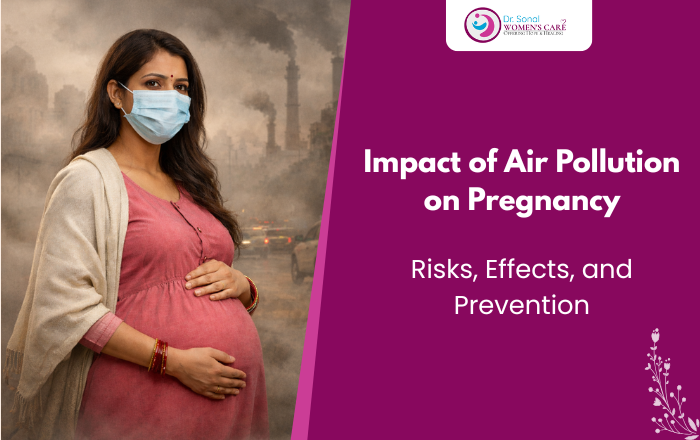
Stepping outside into a hazy morning while pregnant can naturally feel worrying. You may pause and ask yourself, “Is this polluted air harming my baby?” With rising pollution levels in many cities, this concern is becoming more common among expectant mothers. Understanding the impact of air pollution on pregnancy can help you feel more confident and prepared. When you know how polluted air affects your body and your baby’s growth, you can take small but meaningful steps to stay safe.
Let’s explore how air pollution and pregnancy are connected, the real risks involved, and practical ways to protect yourself and your little one.
Understanding Air Pollution and Your Pregnancy
Air pollution consists of tiny harmful particles and gases floating in the air we breathe. The most concerning pollutants are PM2.5 and PM10, microscopic particles released from vehicle exhaust, industrial smoke, construction dust, and even indoor cooking smoke. These particles are so small that they may enter the bloodstream and can affect the placenta, which supports your baby’s development.
During pregnancy, your body works harder and needs more oxygen. This increased breathing can expose you to more pollutants, making both you and your baby more vulnerable.
How Does Air Pollution Affect Pregnancy?
When you breathe polluted air, harmful particles can trigger inflammation in your body and reduce the amount of oxygen reaching your baby. Over time, prolonged exposure may affect placental function. This process can occur at any stage of pregnancy, but the first trimester is especially sensitive because major organs begin forming during this time.
This explains why air pollution affects pregnancy, which is a growing health concern for expectant mothers.
Real Risks to You and Your Baby
Studies have linked air pollution during pregnancy to several health concerns.
For Mothers:
- Higher blood pressure
- Breathing difficulties
- Increased risk of gestational diabetes
- Greater chance of preeclampsia
For Babies:
- Preterm birth (delivery before 37 weeks)
- Low birth weight (less than 2.5 kg)
- Slower growth inside the womb
- Possible effects on organ development with long-term exposure
- Higher risk of miscarriage, especially in early pregnancy
Research also suggests that children exposed to high pollution levels before birth may experience breathing problems, frequent infections, and learning difficulties later in life.
Warning Signs to Watch For
Contact your doctor if you notice:
- Difficulty breathing or an ongoing cough
- Unusual tiredness that does not improve with rest
- Reduced baby movements
- Chest discomfort or wheezing
Early attention can help reduce pregnancy complications due to pollution.
Protecting Your Pregnancy from Air Pollution
You may not control outdoor air quality, but you can lower your exposure.
Monitor Air Quality
Use an Air Quality Index (AQI) app daily. When AQI levels are high (above 150), try to stay indoors as much as possible. Early mornings often have cleaner air than evenings.
Improve Indoor Air
- Use an air purifier with a HEPA filter
- Keep windows closed during high-pollution hours
- Avoid burning incense or candles
- Do not allow smoking indoors
- Use proper kitchen ventilation
- Clean floors regularly to reduce dust
Smart Outdoor Habits
- Wear an N95 or N99 mask on polluted days
- Avoid walking near busy roads during peak hours
- Exercise indoors when pollution levels are high
- Choose less crowded routes for daily travel
- Keep car windows closed and use cabin air filters
Eat Right for Added Support
While food cannot remove pollution effects, certain nutrients help your body cope better:
- Fruits rich in Vitamin C (oranges, guavas, berries)
- Leafy green vegetables
- Nuts and seeds with Vitamin E
- Fish or flaxseeds for omega-3 fatty acids
- Plenty of water to support detox processes
When You Need Medical Support
If you live in a highly polluted area or notice concerning symptoms, regular medical monitoring becomes important. High-risk pregnancy care may involve frequent checkups, ultrasounds to track your baby’s growth, and blood tests to monitor your health.
For expecting mothers facing pregnancy concerns linked to pollution, Dr. Sonal Katarmal, a gynecologist and obstetrician at Dr. Sonal Women’s Care in Ambegaon Budruk, supports women with high-risk pregnancies through regular monitoring and clear guidance.
Frequently Asked Questions
Q1. Should I avoid going outside completely during pregnancy?
No. Check AQI levels daily and limit outdoor time when pollution is high. Short walks during cleaner air hours are generally safe.
Q2. Do air purifiers help during pregnancy?
Yes. HEPA air purifiers can remove most harmful particles indoors and help improve air quality at home.
Q3. Which mask is best for pollution?
N95 and N99 masks filter small particles effectively when worn properly.
Q4. Is indoor air pollution harmful too?
Yes. Cooking smoke, chemicals, and poor ventilation can make indoor air unhealthy. Good airflow and purifiers help reduce risk.
Take Action Today
Air pollution and pregnancy are serious concerns, but you are not helpless. Simple daily steps—checking air quality, wearing masks, eating well, and improving indoor air can help protect your baby.
If you have a high-risk pregnancy or worries about pollution affecting your health, consider consulting Dr. Sonal Katarmal at Dr. Sonal Women’s Care in Ambegaon Budruk, Pune. Timely medical guidance can help you feel supported throughout your pregnancy journey.
Schedule your consultation today and take confident steps toward a safer pregnancy.